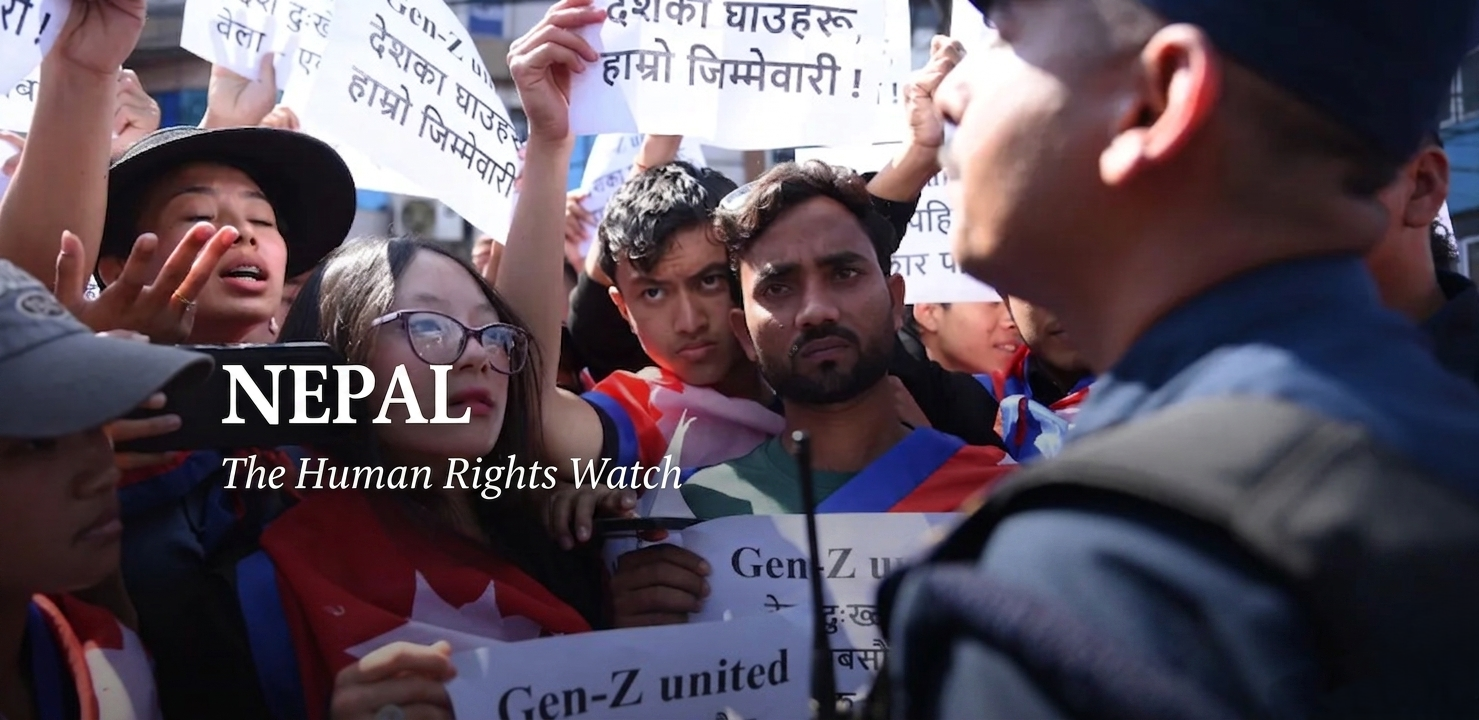
In September 2025, Nepal faced one of its most turbulent political crises in recent years. What began as youth-led protests against corruption and social media restrictions quickly escalated into nationwide violence, ultimately toppling the government of K.P. Sharma Oli.
Deadly Protests and Political Fallout
On September 8, security forces used lethal force against demonstrators gathered near parliament in Kathmandu, killing 17 people. Two more protesters were killed in Itahari. The protests, largely driven by young people identifying as “Gen Z,” were fueled by anger over corruption and a government ban on 26 social media platforms.
Public outrage intensified the following day, leading to widespread unrest. Arson attacks targeted state institutions, politicians’ homes, and public infrastructure across the country. Within 48 hours, at least 76 people had lost their lives.
Amid mounting pressure, Prime Minister Oli resigned. On September 12, former Chief Justice Sushila Karki was sworn in as interim prime minister, tasked with restoring stability and overseeing elections scheduled for March 2026.
Stalled Justice and Continued Abuses
Efforts to address past human rights violations from the Nepal Civil War remain stalled. Victims’ groups rejected newly appointed commissioners to transitional justice bodies, citing lack of independence and qualifications.
This failure to ensure accountability has allowed abuses to persist, including reports of custodial torture. Despite earlier legislative progress, political interference continues to hinder meaningful justice and reparations.
Child Welfare and Social Protection Gaps
Nepal’s Child Grant program, a key social protection initiative, remains limited in reach. Currently available in only a fraction of districts, it benefits less than 10 percent of children nationwide. Although studies show the program improves child well-being, successive governments have failed to expand it.
Child marriage also remains a serious issue, affecting one-third of girls before the age of 18, highlighting persistent social and economic challenges.
Discrimination and Inequality
Marginalized communities, particularly Dalits, continue to face systemic discrimination. Legal protections exist but are often weakly enforced, leaving many vulnerable to social exclusion and limited economic opportunities.
Freedom of Expression Under Pressure
The government’s decision to ban multiple social media platforms played a direct role in triggering protests. Existing laws, such as the Electronic Transactions Act, have also been used to detain journalists and restrict free expression, raising concerns about shrinking civic space.
Women’s Rights and Legal Barriers
Nepal’s citizenship laws continue to disadvantage women by restricting their ability to pass citizenship to their children. As a result, millions remain without proper documentation.
Additionally, the limited timeframe for reporting sexual violence cases discourages survivors from seeking justice. International organizations have called for urgent legal reforms to better protect women and girls.
Challenges Faced by Migrant Workers
With remittances forming a major part of the economy, many Nepali workers seek employment abroad. However, they often face exploitation, including wage theft and unsafe working conditions.
Restrictions on women traveling for domestic work have unintentionally increased risks, pushing many toward informal and unsafe migration channels.
LGBT Rights: Progress and Gaps
While Nepal has made legal strides in recognizing LGBT rights, implementation remains inconsistent. Cases of harassment and denial of same-sex marriage registration highlight the gap between legal recognition and ground realities.
Conclusion
The events of September 2025 exposed deep-rooted structural issues in Nepal’s political and social systems. From governance failures and human rights concerns to economic inequality and legal discrimination, the crisis underscored the urgent need for reform.
As the interim government prepares for upcoming elections, the country stands at a critical juncture. Whether Nepal can translate this moment of upheaval into meaningful change remains an open question.