The Architecture of Youth Vulnerability
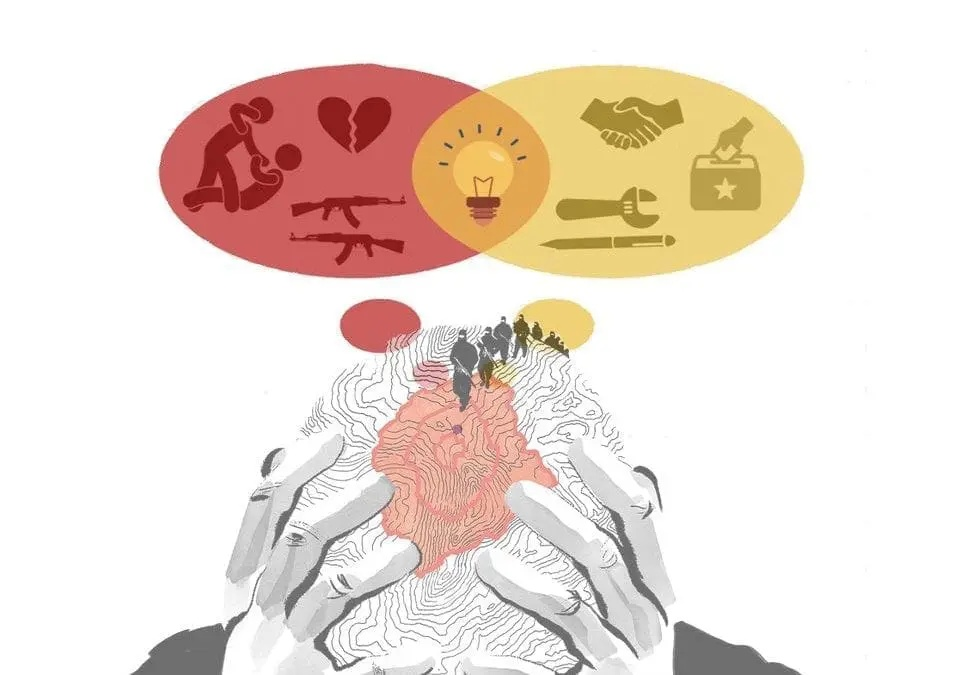
Radicalization among young people is rarely driven by a sudden adoption of complex political theory; instead, it is often a developmental and social process. In academic and safeguarding contexts, youth are viewed as being in a state of "identity flux," where the search for belonging can be co-opted by extremist narratives. Understanding these pathways requires looking at the intersection of personal psychology, environmental pressures, and the digital landscape.
1. Internal Drivers: The Search for Identity
The transition from childhood to adulthood involves questioning one's place in the world, which creates specific cognitive openings for radical influence.
Identity and Cultural Distance: Young people who feel distanced from their cultural or religious backgrounds often experience a "belonging deficit." Extremist groups exploit this by offering a "pure" or "heroic" identity that claims to supersede their confused reality.
The "Grey Area" of Morality: Adolescents are still developing an understanding of the long-term consequences of their actions. Extremist propaganda simplifies complex global issues into binary "good vs. evil" narratives, making radical solutions appear logically sound to an undeveloped moral framework.
Low Self-Esteem and Empowerment: For a young person struggling with social rejection or academic failure, the extremist promise of being part of an "elite vanguard" provides an immediate, though destructive, boost to self-worth.
2. External Pressures: The Push and Pull of the Environment
Vulnerability is frequently exacerbated by "Push" factors that drive a young person away from mainstream society and "Pull" factors that draw them toward a radical cell.
Systemic Grievances: Experiences of racism, discrimination, or witnessing perceived injustices against their community act as powerful push factors. When a youth feels that the "system" is rigged against them, they become susceptible to narratives that advocate for the system’s destruction.
Social Networks and Family: Proximity is a primary predictor of radicalization. Having peers or family members involved in extremist circles provides a trusted "bridge" into the movement, bypassing traditional barriers to entry.
The Reintegration Gap: Individuals who have spent time in young offender institutions often find it difficult to reintegrate into civilian life. Without a stable support structure, the camaraderie and "purpose" offered by extremist groups can become the only viable social outlet.
3. The Digital Battlefield and the "Rabbit Hole"
For the current generation, the pathway to radicalization is predominantly digital. Journalistic investigations into "online grooming" reveal that extremist recruiters use the same tactics as online predators to isolate and radicalize minors.
Algorithmic Acceleration: Social media algorithms are designed to maximize engagement, often leading users from mainstream content into increasingly radical echo chambers. This "rabbit hole" effect can normalize dehumanizing language and violent rhetoric in a matter of weeks.
Gamification of Violence: Extremist propaganda often adopts the aesthetics of popular video games. By framing real-world conflict as a "mission" or a "level" to be completed, recruiters lower the psychological threshold for violence among tech-savvy youth.
4. Institutional Safeguarding and Building Resilience
To counter these vulnerabilities, modern safeguarding frameworks focus on building "cognitive resilience" rather than just monitoring behavior.
The Deliberative Classroom: Educational programs now encourage debates on "taboo" or controversial topics in a safe, moderated environment. By exposing students to multiple perspectives, schools prevent the "intellectual monopoly" that extremist groups rely on.
Early Intervention (The Prevent Model): In the UK and similar jurisdictions, the focus has shifted toward early identification. This involves training teachers and youth workers to recognize "leakage"—subtle changes in language, dress, or social circles—and providing support before the individual moves further up the staircase of radicalization.
Digital Literacy: Teaching young people to identify "fake news," disinformation, and manipulative propaganda is a critical component of modern defense. Resilience is built when a student can deconstruct a radical narrative and recognize its logical fallacies.
Conclusion
Radicalization among youth and vulnerable groups is a symptom of broader social and psychological disconnects. Addressing it requires a dual approach: rigorous safeguarding to detect early warning signs and a proactive effort to provide young people with a sense of purpose, identity, and belonging within a diverse and inclusive society. As noted by the United Nations and educational bodies like Educate Against Hate, the goal is to ensure the "ground floor" of society offers more hope than the "staircase" of extremism.