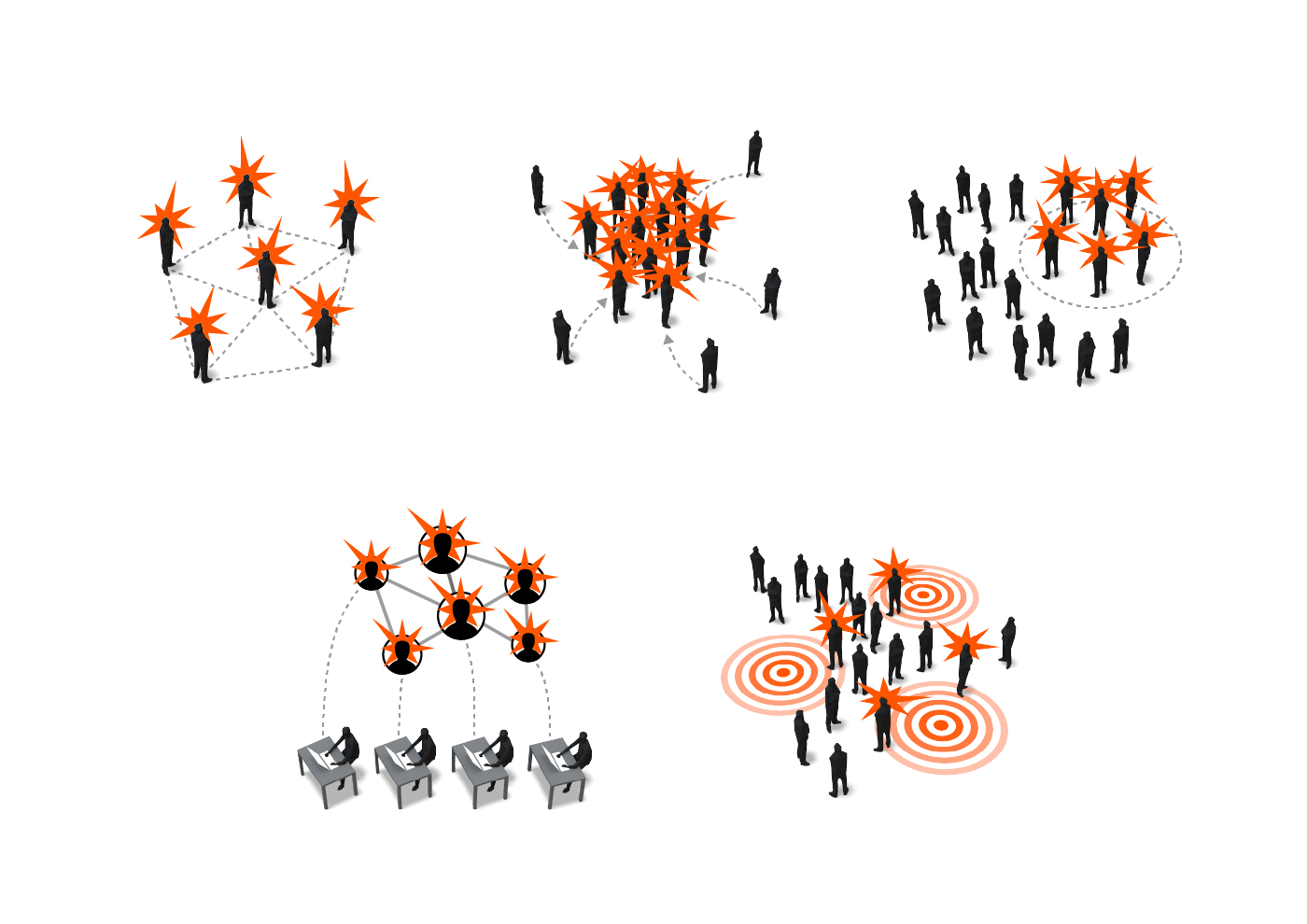
The Architecture of Extremism
Radicalization is rarely a sudden explosion; it is more often a slow burn, a process of psychological and social transformation. In academic circles, this is defined as the process by which individuals come to support or engage in violence to achieve political, social, or religious change. To understand how this happens, it is necessary to look at the intersection of individual grievances and systemic failures.
1. The Academic Framework: The Staircase to Terrorism
Social psychologist Fathali Moghaddam proposed the Staircase Model, which describes radicalization as a series of steps within a narrowing building. While thousands may stand on the ground floor, only a few reach the top.
The Foundation of Perceived Injustice: The journey begins when individuals feel they are victims of unfair treatment or that their social group is being systematically marginalized.
The Search for Options: On the first floor, individuals look for ways to influence the system. If they perceive that legal and democratic avenues are blocked, they climb higher.
Displacement of Aggression: On the second floor, frustration turns into redirected anger. The individual identifies a target or enemy, such as a specific government or ethnic group, held responsible for their plight.
Moral Justification: By the third floor, the individual enters a specialized version of morality. Actions that were once seen as horrific are now framed as noble or necessary for the greater good.
2. The Journalistic Lens: Push and Pull Factors
Journalistic investigations into recruitment often highlight the Push and Pull factors that drive individuals toward the edge of society.
Push Factors (The Background Noise): These are negative conditions that drive a person away from their current environment. They include social isolation, systemic poverty, experiences of state-sponsored violence, or the trauma of war.
Pull Factors (The Appeal): These are the incentives offered by extremist groups. Beyond ideology, these groups offer a sense of belonging, a clear identity for those feeling lost, and the promise of becoming a hero in a grand narrative.
3. The Digital Echo Chamber
In the modern era, the pathway is often digital. Research into online radicalization shows that social media algorithms can act as accelerators. By consistently feeding users content that reinforces their existing biases, platforms create Echo Chambers. Within these bubbles, dehumanizing language against the other becomes normalized, and moderate voices are systematically drowned out. This digital isolation makes the transition to the higher floors of the staircase much faster than in previous decades.
4. The Exit Pathways: Deradicalization vs. Disengagement
Just as there is a path in, there must be a path out. Experts distinguish between two concepts:
Disengagement: A change in behavior. The individual leaves the group or stops committing violent acts, though they may still hold radical beliefs.
Deradicalization: A change in belief. The individual undergoes a cognitive shift, rejecting the extremist ideology itself.
Successful reintegration programs typically focus on Social Capital, rebuilding the individual's ties to family, stable employment, and a community that offers a narrative more compelling than the one they left behind.
Conclusion
Radicalization is not a symptom of a single type of person, but rather a complex reaction to environmental and psychological pressures. Addressing it requires more than security measures; it requires addressing the ground floor grievances, such as inequality, injustice, and isolation, before the climb begins.